Cell grazing: Making the most of our pastures
A little planning, a bit of paddock shuffling and giving the grass time to grow.

At Fork & Tiller, how we manage our pastures is just as important as how we look after our cattle. Our approach is centred around regenerative farming principles, with a focus on soil health, pasture diversity and working with natural growing cycles rather than against them.
One of the ways we do this is through cell grazing.
We have around 30 hectares divided into 17 paddocks, with a central raceway running through the property and paddocks on either side. This layout allows us to move cattle between paddocks relatively easily, manage where and how long they graze, and give previously grazed areas time to recover.
It might look like a simple case of opening a gate and moving a few cows, but there's a little more to it than that.
What is cell grazing?
Cell grazing is a form of rotational grazing where livestock are moved between smaller paddocks, rather than being left in one large area for extended periods.
The idea is straightforward: rather than allowing cattle to continually graze the same plants as they regrow, we move them on and allow the pasture time to recover.
When managed well, this helps prevent repeated grazing of new shoots, gives grasses and legumes an opportunity to rebuild their leaf growth and root systems, and allows plants to recover their energy reserves.
The length of time cattle spend in each paddock and the recovery period between grazing events will vary depending on the season, rainfall, temperature, pasture growth and how much feed is available.
There's no fixed timetable that works all year round. The paddocks tend to tell us when they're ready.
How our 17-paddock system works
As we mentioned earlier, our 30 hectare property is divided into 17 paddocks, arranged either side of a central raceway.
The raceway makes moving cattle between paddocks much easier. Rather than having to move the whole mob across the property or through paddocks already being rested, we can guide them along the central track and into the next grazing area.
It also gives us greater flexibility to manage grazing across the farm.
Depending on pasture availability and the time of year, we move the cattle from one paddock to another, allowing the previously grazed paddocks to rest and regrow.
The aim is to make better use of the grass we grow, avoid grazing plants too heavily and maintain enough ground cover to protect the soil.
And the cows? They're generally pretty well versed in the routine. A fresh paddock and a bit of new grass usually provide all the encouragement they need.
Why giving pastures time to rest matters
Grass needs time to recover after grazing.
When cattle eat pasture, plants lose some of their leaf area. This reduces their ability to capture sunlight and produce energy through photosynthesis.
Given enough time, moisture and suitable growing conditions, plants can put on new leaf growth, replenish energy reserves and continue developing their root systems.
If cattle return too soon, plants can be grazed repeatedly before they've had a chance to recover. Over time, this can weaken desirable pasture species and reduce overall pasture productivity.
Allowing adequate recovery between grazing events helps maintain healthier, more productive pastures.
It also gives us an opportunity to manage grazing pressure, maintain ground cover and encourage a more diverse pasture.
Soil health is where it all starts
Healthy pasture starts with healthy soil.
Soil isn't just dirt that holds the grass up. It's a living system containing bacteria, fungi, earthworms and countless other organisms that help break down organic matter, cycle nutrients and support plant growth.
Our farming approach focuses on building and maintaining soil health rather than relying on quick fixes.
Good grazing management can contribute to this by:
Maintaining ground cover to help protect soil from erosion, heat and moisture loss.
Returning manure and organic matter to the paddock, helping cycle nutrients.
Supporting root growth and the development of soil structure.
Allowing pasture plants time to recover and maintain healthy root systems.
Encouraging soil biological activity through living roots and organic matter.
Of course, grazing management is only one part of the picture. Soil type, rainfall, pasture species, fertility and seasonal conditions all play a role.
But getting the basics right makes a big difference.
Working with nature, not against it
An important part of our regenerative and organic-focused approach is paying attention to what the land needs and working with natural growing cycles.
Rainfall, sunshine and temperature all influence how quickly our pastures grow.
During periods of good rainfall and warmer temperatures, grasses and clovers can grow rapidly. During colder months or dry spells, growth slows and recovery periods need to be adjusted accordingly.
This means grazing decisions aren't simply based on a calendar. We need to look at the actual pasture conditions and make decisions based on what's growing, what's been grazed and how much feed is available.
We also aim to maintain a diverse pasture rather than relying on a single grass species. A mix of grasses and legumes can provide different nutritional benefits, improve seasonal pasture coverage and contribute to nutrient cycling.
Legumes such as clover can also fix atmospheric nitrogen through their relationship with soil bacteria, helping contribute nitrogen to the pasture system.
It's about building a productive pasture that can support our cattle while maintaining the health of the land over the longer term.
Better pastures, better feed for our cattle
Ultimately, the purpose of all this is to grow good-quality feed for our cattle.
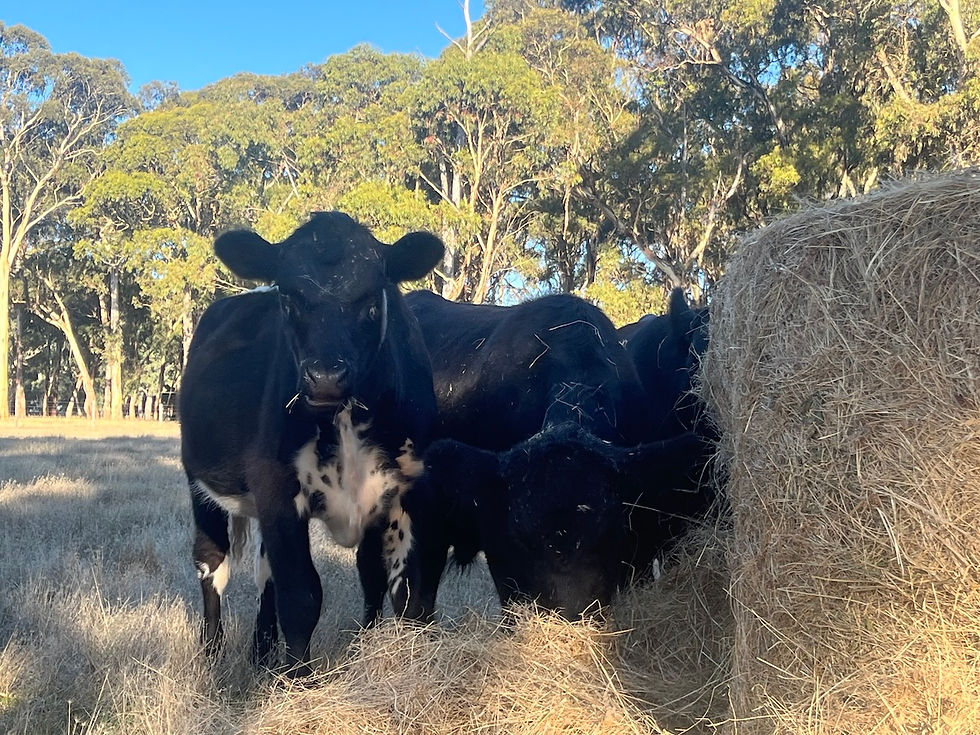
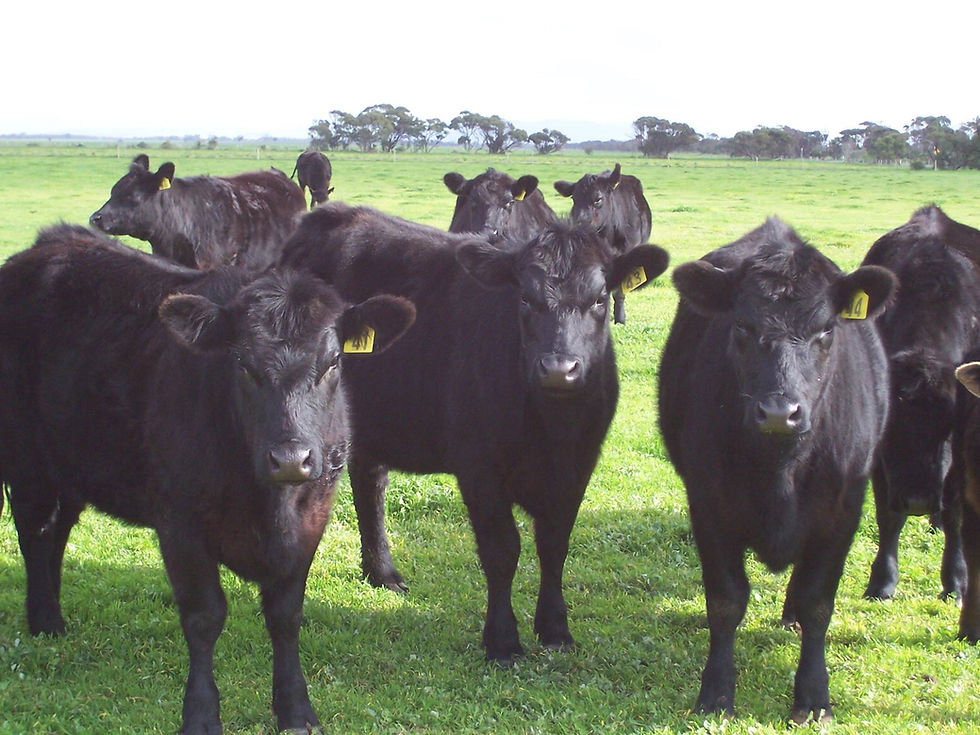
Our Angus cattle are pasture-raised from birth and never grain-finished. They rely on the grasses and hay we produce here on the farm.
Managing pasture availability is particularly important for our breeding cows and their calves. Lactating cows have higher nutritional requirements, and making sure they have access to sufficient quality feed is an important part of maintaining their condition and supporting calf growth.
Good grazing management helps us make the most of the feed available throughout the year, although seasonal conditions will always have the final say.
Some years the grass grows like there's no tomorrow. Other years, we spend considerably more time watching the rain forecast.
Such is farming.
It's a work in progress
Regenerative farming isn't about following a perfect formula or expecting the land to behave exactly as planned.
It's about observing, learning and making adjustments along the way.
Our cell grazing system gives us the flexibility to manage our cattle, allow pastures to recover and make better use of the land we have.
We're continually looking at how we can improve pasture quality, build soil health and maintain a productive farming system for the long term.
Because growing good beef starts well before the cattle reach the butcher. It starts in the paddocks, with the soil beneath our feet and the grass growing above it.
And occasionally, it starts with opening a gate and persuading a few cows that the grass really is greener on the other side.

Comments