Why grass‑fed matters

Updated: Jun 7
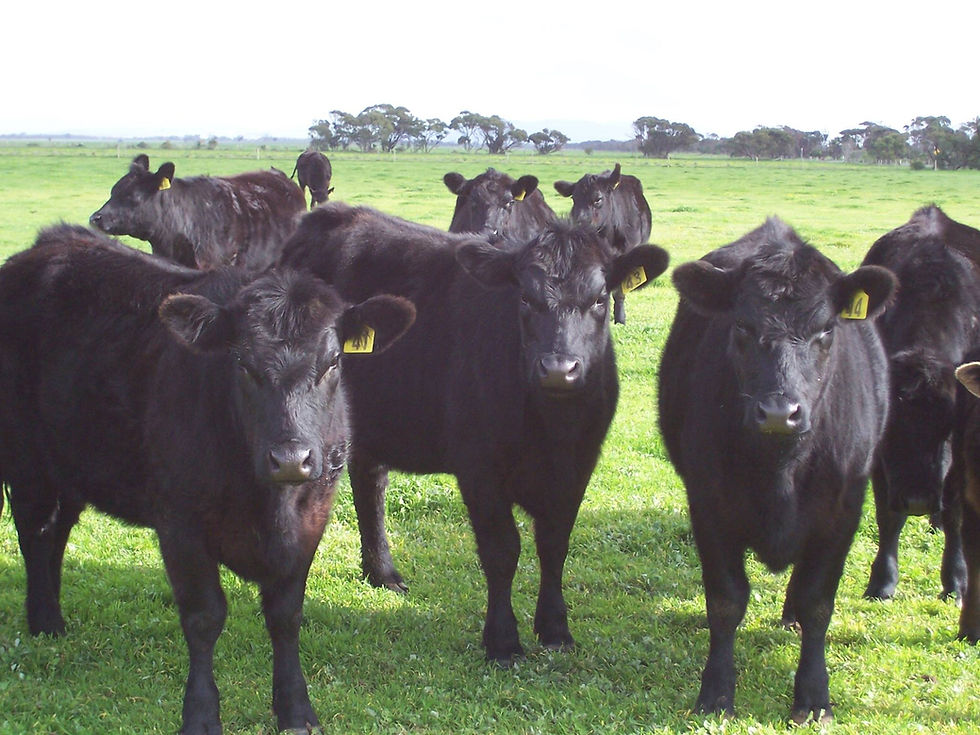
In a world where shortcuts are common and labels can be confusing, grass‑fed beef stands apart as something honest, natural and deeply connected to the land. For us, raising grass‑fed Angus cattle isn’t a marketing choice - it’s simply the right way to farm.
Here’s why it matters.
1. Cattle are designed to eat grass
Cattle evolved as browsers and grazers, not grain consumers. Their digestive systems are built to break down fibre‑rich plants, not high‑starch feeds.
When cattle eat what nature intended:
their digestion is healthier
their immune systems are stronger
their stress levels are lower
their growth is steady and natural
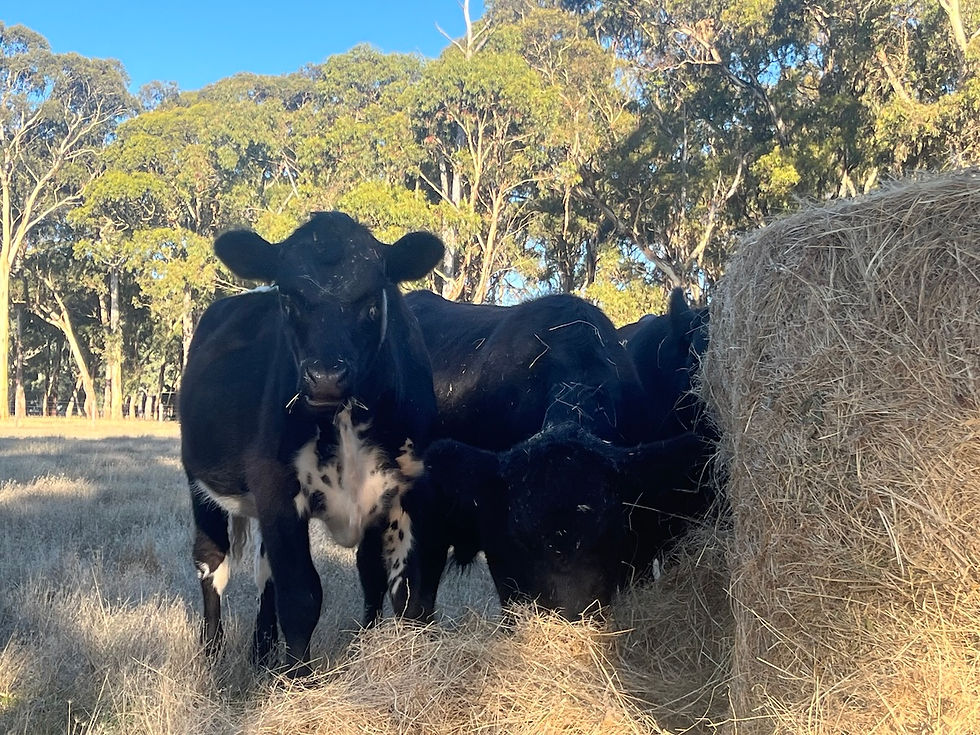
At Fork & Tiller, our cattle stay on pasture and hay grown on‑farm from birth to harvest - never grain‑finished.
2. Better for animal welfare
Grass‑fed systems allow cattle to:
roam freely
graze diverse pastures
rest under trees
move calmly in small herds
live low‑stress lives
This is how cattle are meant to live — and it shows in their health, temperament and the quality of the beef.
3. Better for the land
Grass‑fed farming supports:
soil regeneration
carbon sequestration
water retention
biodiversity
natural nutrient cycling
When cattle graze in rotation, they stimulate plant growth, fertilise the soil and help build resilient ecosystems.
4. Better for flavour & nutrition
Grass‑fed beef is known for its:
clean, mineral‑rich flavour
natural marbling
firmer texture
higher omega‑3s
better vitamin and antioxidant profile
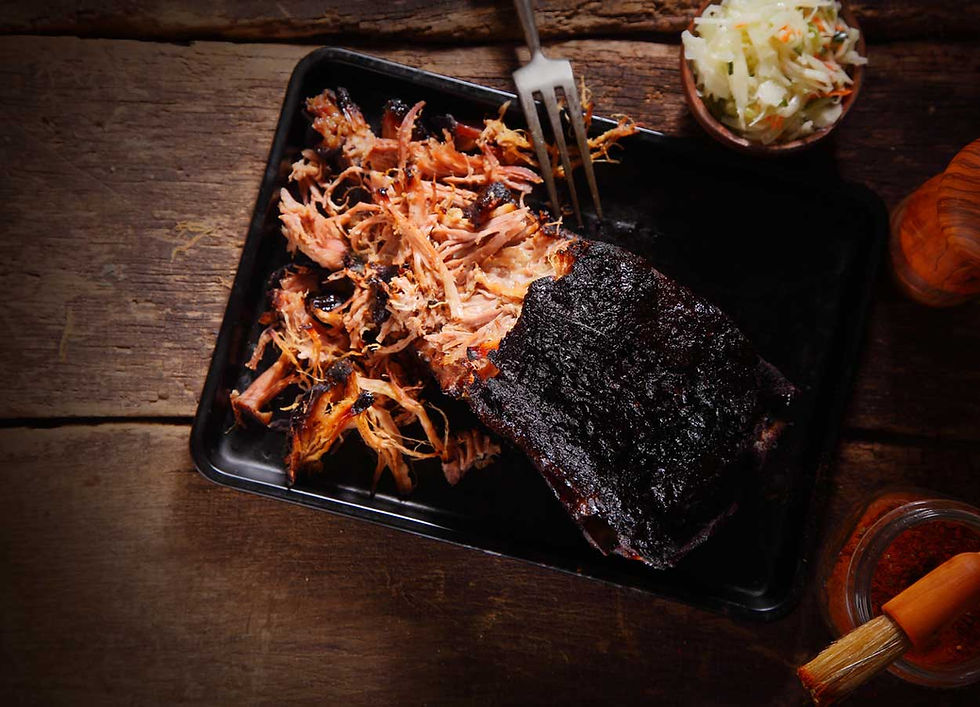
It tastes like the land it comes from - honest, balanced and deeply satisfying.
5. Better for the future
Choosing grass‑fed beef supports:
ethical farming
chemical‑free food
regenerative land management
small family farms
transparent food systems
It’s a simple choice with a meaningful impact.
The Fork & Tiller difference
Our Angus cattle are:
chemical‑free
pasture‑raised
never grain‑finished
handled quietly
raised with biodynamic‑inspired care
This is beef grown with intention - for flavour, for health, and for the land.
Comments