Learn about regenerative grazing
In a landscape shaped by seasons, soil and the quiet rhythms of animals, regenerative grazing offers a way to farm that gives back more than it takes. It’s a system built on respect — for the land, for the animals, and for the future we’re shaping with every decision we make.
At Fork & Tiller, regenerative grazing is at the heart of how we raise our Angus cattle. It’s the reason our pastures stay healthy, our soils stay alive, and our beef tastes the way real beef should.
Why we use cell grazing
1. Healthier soil
Short, controlled grazing periods followed by long rest phases allow grasses to regrow stronger, deeper and more diverse. This builds organic matter, improves water retention and feeds the soil microbiome.
2. Happier, calmer cattle
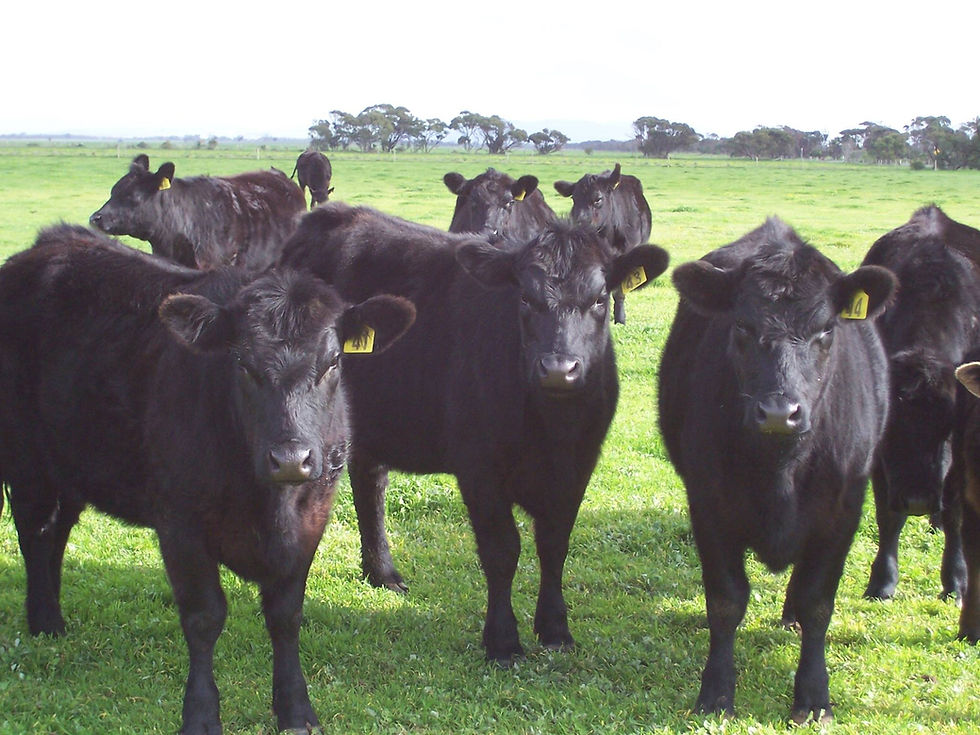
Our Angus cattle move quietly from paddock to paddock, often meeting us at the gate. They always have fresh feed, clean water and shade — reducing stress and supporting natural behaviour.
3. More biodiversity
Rotational grazing encourages a mosaic of plant species, supports dung beetles, and creates habitat for insects, birds and small mammals.
4. Natural fertility
Manure is spread evenly across the farm, feeding the soil without synthetic fertilisers.
5. Better beef
Healthy soil grows nutrient‑dense pasture. Nutrient‑dense pasture grows healthy cattle. Healthy cattle produce exceptional beef.
Dung beetles: The unsung heroes
Our farm is home to thriving populations of dung beetles — tiny workers that break down manure, aerate soil and reduce parasites. They’re a sign of a healthy, chemical‑free system and a key part of regenerative grazing.
A system that works with nature
Regenerative grazing isn’t about forcing the land to produce more — it’s about creating conditions where the land naturally thrives. It’s slower, more thoughtful, and deeply rewarding.
And the result? Beef that reflects the health of the landscape it comes from.
👉 Browse our beef

Comments